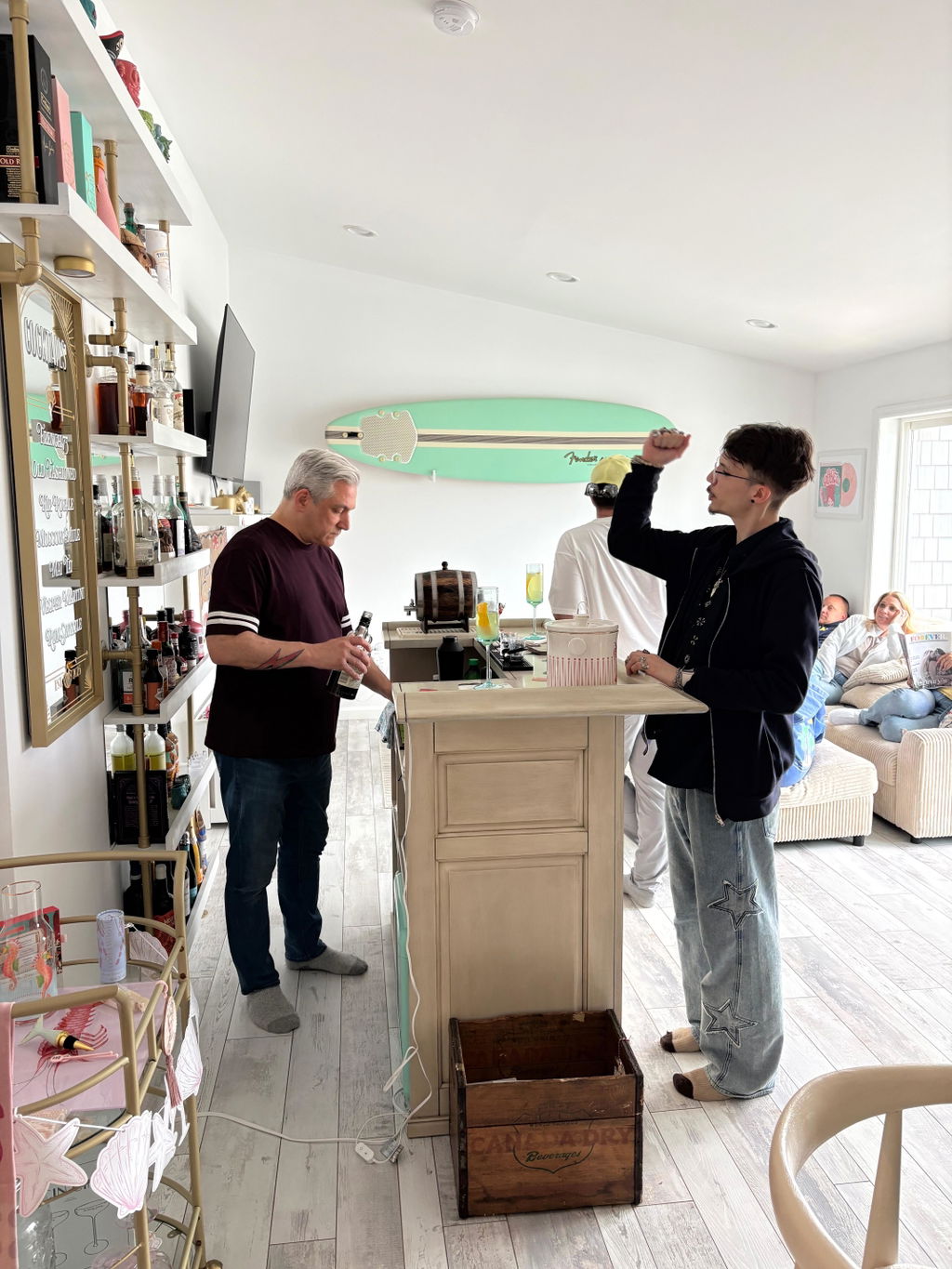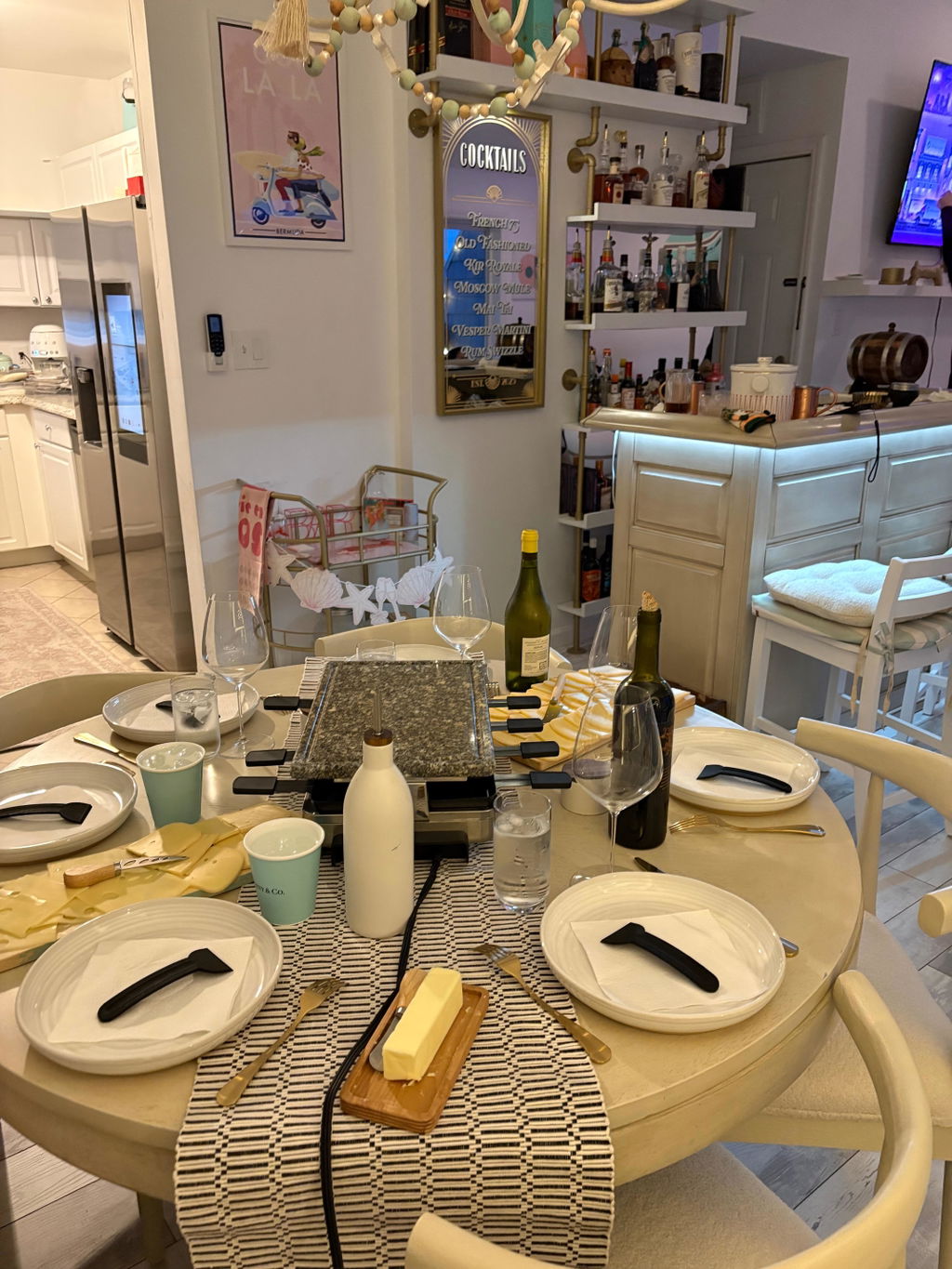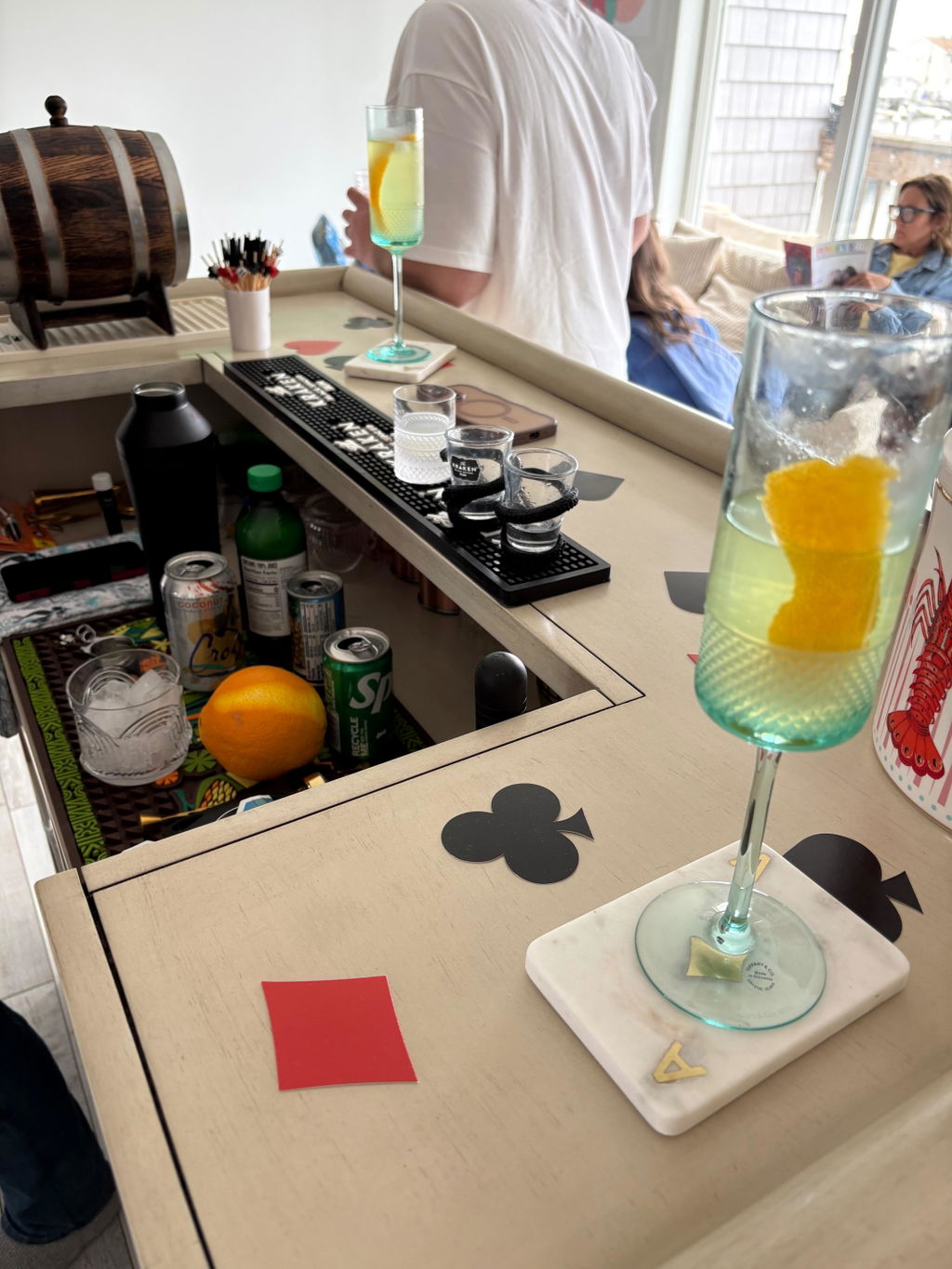


A luxury home bar is more than a place to store bottles and mix drinks. It is a carefully designed entertainment space where friends gather, conversations continue, and memorable evenings begin.
Whether you are renovating a basement, furnishing a game room, upgrading a living area, or creating a dedicated cocktail lounge, the right home bar can become one of the most distinctive features in your home. The best designs combine attractive furniture, practical storage, comfortable seating, proper lighting, and a layout that makes entertaining feel effortless.
This guide explains how to design a luxury home bar that looks sophisticated, functions efficiently, and reflects your personal style.
Start With the Purpose of Your Home Bar
Before selecting furniture or finishes, consider how you plan to use the space.
Will your home bar primarily be used for casual drinks with family, cocktail parties, poker nights, sports events, or larger gatherings? Do you need a full cocktail bar with guest seating, or would a compact home bar cabinet provide enough storage and serving space?
Your intended use will determine the appropriate layout, furniture, storage, lighting, and seating.
Common home bar configurations include:
- A full cocktail bar with seating
- A freestanding bar cabinet or liquor cabinet
- A built-in wet bar
- A compact basement bar
- A game room bar
- A wine and whiskey display area
- A bar incorporated into a golf simulator room
- A multipurpose home entertainment space
A dedicated cocktail bar works well for homeowners who regularly entertain groups. A smaller bar cabinet may be better for a condominium, living room, dining room, or compact entertainment area.
The goal is not necessarily to build the largest bar possible. The goal is to create a home bar that fits naturally into the way you entertain.
Choose the Right Location
A successful home bar should feel connected to the rest of the entertainment space.
Basements and game rooms remain popular locations because they typically provide more room for a full bar, poker table, pool table, television, or lounge seating. However, luxury home bars are increasingly being incorporated into dining rooms, living rooms, home theaters, offices, and golf simulator rooms.
When choosing a location, consider:
- Available floor space
- Access to electrical outlets
- Plumbing requirements for a wet bar
- Proximity to seating and entertainment areas
- Traffic flow through the room
- Storage requirements
- Natural and artificial lighting
- Ventilation and temperature control
Avoid placing the bar where guests will block walkways or interfere with games and other activities. There should be enough room for people to sit, stand, move around, and access the bar comfortably.
In a multifunctional game room, the bar should support the rest of the space rather than overwhelm it.
Measure the Space Carefully
Accurate measurements are essential when selecting home bar furniture.
Measure the room’s width, depth, ceiling height, doorways, stairways, and delivery path before ordering a large cocktail bar or bar cabinet. Marking the proposed furniture footprint with painter’s tape can help you visualize how much room it will occupy.
Remember to allow space for:
- Bar stools and chairs
- Opening cabinet doors and drawers
- Walking behind and around the bar
- Refrigerators and other appliances
- Foot rails
- Nearby game tables
- Serving and preparation areas
A beautiful bar that crowds the room will quickly become inconvenient. Leaving adequate open space makes the room feel more comfortable, refined, and intentional.
RAM Game Room recommends avoiding overcrowding in entertainment rooms and paying close attention to furniture placement, walking space, and lighting.
Select a Home Bar Style
Your home bar should complement the architectural character and interior design of your home.
Modern Home Bar
Modern home bars typically feature clean lines, simple forms, dark finishes, metal accents, and understated hardware. Matte black, walnut, glass, and brushed metal work especially well in contemporary entertainment spaces.
Modern Industrial Bar
A modern industrial home bar combines materials such as metal, wood, brick, concrete, and leather. This style works particularly well in lofts, finished basements, and game rooms.
Use warm wood tones to prevent the room from feeling cold, and incorporate statement lighting to create a more welcoming atmosphere.
Art Deco or Speakeasy Bar
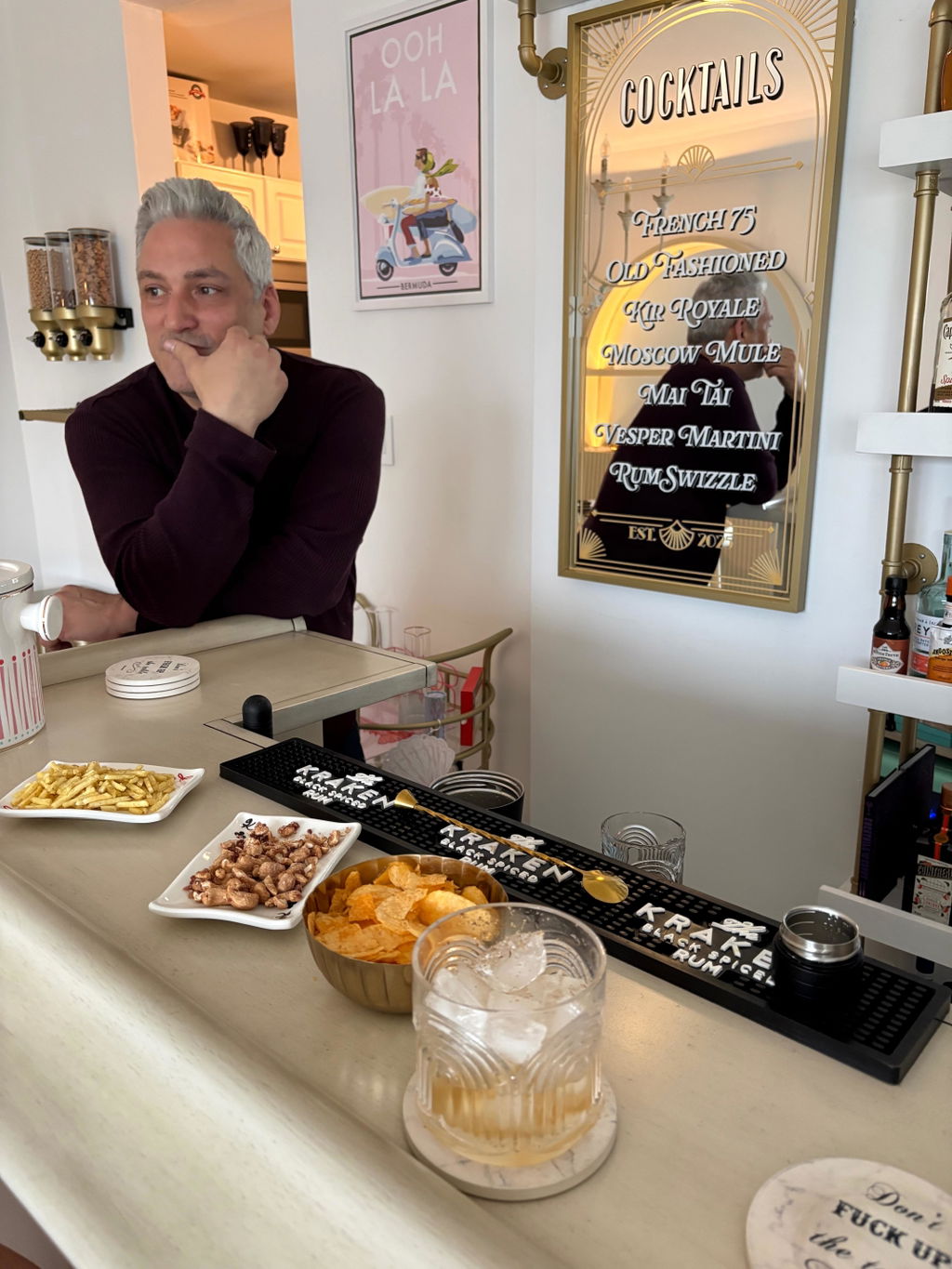
An Art Deco home bar creates a more dramatic and sophisticated atmosphere. Look for geometric detailing, rich wood finishes, black surfaces, brass accents, mirrors, and carefully placed lighting.
This style is ideal for homeowners who want their bar to feel like an upscale cocktail lounge rather than a basic basement bar.
Traditional Pub-Style Bar
A pub-inspired home bar uses warm wood finishes, classic bar furniture, vintage lighting, mirrors, decorative signs, and comfortable seating. It creates a relaxed and familiar setting that works well for sports nights and casual entertaining.
Statement Bar Cabinet
A bar cabinet can function as both practical storage and a major design feature. Distinctive pieces, such as an English phone booth bar cabinet, can become an immediate conversation starter while providing organized storage for bottles, wine, glasses, and accessories.
RAM Game Room’s English Phone Booth Bar Cabinet, for example, includes a mirrored backdrop, interior lighting, a storage drawer, and a wine rack within a compact freestanding design.
Make the Bar a Focal Point
The most successful luxury home bars are designed as furniture, not merely as utility stations.
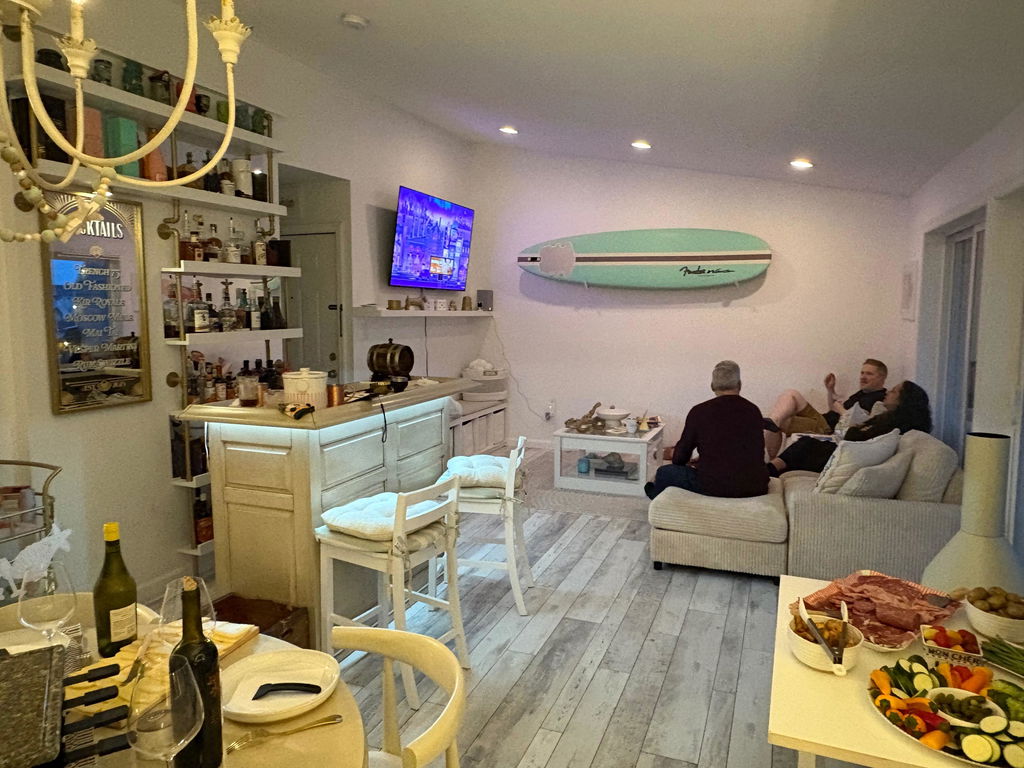
Instead of treating the bar as an afterthought, use it to anchor the entertainment room. A distinctive cocktail bar, illuminated bar cabinet, mirror, or back bar can establish the visual direction for the entire space.
Consider creating a focal point with:
- A substantial freestanding cocktail bar
- A mirrored back bar
- A distinctive bar cabinet
- Statement pendant lighting
- Architectural wall treatments
- Display shelving
- Decorative bottle storage
- Brass or black metal detailing
- A contrasting countertop or bar top
Current luxury storage design increasingly combines high function with furniture that looks architectural and intentional. Storage is becoming part of the room’s visual identity rather than something that must always be hidden.
Prioritize Storage and Organization
A luxury home bar should appear clean and organized, even when it contains a large collection of bottles, glasses, and accessories.
Plan dedicated storage for:
- Liquor and wine bottles
- Cocktail glasses
- Wine glasses
- Bar tools
- Cocktail shakers
- Ice buckets
- Napkins and coasters
- Bottle openers and corkscrews
- Garnishes and mixers
- Serving trays
- Cleaning supplies
- Small appliances
Closed cabinets keep visual clutter under control, while open shelving and glass-front storage allow you to display attractive bottles and glassware.
A combination of concealed and visible storage usually works best. Everyday supplies can remain hidden, while premium bottles, decanters, and decorative glassware can become part of the design.
Well-designed bar cabinets can also provide wine racks, stemware storage, drawers, mirrored interiors, and removable shelving for a compact refrigerator. RAM Game Room’s bar cabinet collection is designed around this combination of presentation and practical storage.
Decide Between a Wet Bar and a Dry Bar
A dry bar does not include a sink or plumbing. It generally consists of bar furniture, bottle storage, glassware storage, and a preparation surface.
A wet bar includes a sink and running water. It may also include a dishwasher, ice maker, refrigerator, or additional cabinetry.
A wet bar can be convenient for frequent entertaining, but it also requires more construction, plumbing, maintenance, and expense. For many homes, a high-quality cocktail bar or bar cabinet provides the desired experience without requiring a major renovation.
Choose a wet bar when access to water is essential to your entertaining routine. Choose a dry bar when you want greater flexibility, faster installation, and furniture that can be relocated or updated later.
Incorporate a Bar Refrigerator
A compact refrigerator is one of the most useful home bar additions. It keeps beer, wine, mixers, garnishes, and non-alcoholic drinks close to the serving area.
Before purchasing a refrigerator, confirm:
- The exact opening dimensions
- Door clearance
- Ventilation requirements
- Electrical access
- Temperature range
- Noise level
- Whether the unit is freestanding or built in
Some bar cabinets feature removable lower shelving so the space can accommodate a compact refrigerator. For example, RAM Game Room’s BARDIS English Police Booth Bar Cabinet can be configured to hold a mini fridge while also providing lighting, a mirrored interior, storage, and a lockable cabinet.
Use Layered Lighting
Lighting has a major impact on how a home bar feels.
A single bright ceiling fixture may provide visibility, but it rarely creates a luxurious atmosphere. Layered lighting allows you to balance practical illumination with softer accent lighting.
Consider combining:
Ambient Lighting
This provides general illumination throughout the room. Recessed lights, ceiling fixtures, and wall sconces can provide an even foundation.
Task Lighting
Task lighting illuminates preparation areas where drinks are mixed and served. Pendant lights positioned over a cocktail bar can provide both function and visual interest.
Accent Lighting
Accent lighting creates atmosphere and highlights special features. Use it inside bar cabinets, beneath shelving, behind mirrors, or around bottle displays.
Lighting should be warm and inviting rather than excessively bright. Dimmers provide flexibility, allowing the room to transition from casual daytime use to evening entertaining.
Choose Comfortable Bar Seating
Beautiful stools are not useful if guests find them uncomfortable.
Look for seating with:
- Appropriate seat height
- Supportive backrests
- Comfortable cushioning
- Durable upholstery
- Stable construction
- Footrests
- Easy-to-clean materials
Confirm the height of the bar before choosing stools. There should be enough room between the seat and the underside of the bar for guests to sit comfortably.
Allow adequate space between stools so people can move their arms and turn without bumping into one another. Swivel stools can be especially useful in game rooms because guests can easily turn toward a television, poker table, pool table, or conversation area.
Select Durable Materials
A home bar is a high-use surface. Spills, condensation, bottles, trays, and glassware can quickly damage materials that are not designed for entertaining.
Choose surfaces that are:
- Moisture resistant
- Easy to clean
- Resistant to scratches
- Structurally durable
- Appropriate for regular use
Wood brings warmth and richness to a home bar, while metal accents create contrast and definition. Mirrors make the area feel larger and reflect ambient light. Upholstered seating can soften harder surfaces and improve comfort.
The best luxury home bars combine materials rather than relying on one finish throughout the room.
For example, walnut paired with matte black accents creates a modern, sophisticated look. Black surfaces paired with vintage brass details create a more dramatic Art Deco or speakeasy-inspired appearance.
Create a Coordinated Entertainment Space
A luxury bar should feel connected to the surrounding room.
Coordinate the bar with nearby furniture such as:
- Poker tables
- Game or dining chairs
- Pool tables
- Spectator chairs
- Cocktail tables
- Bar mirrors
- Lighting fixtures
- Cue racks
- Wall décor
- Media furniture
Matching every piece exactly is unnecessary. Instead, repeat a few key materials or finishes throughout the space.
A walnut bar could be paired with a poker table featuring walnut details. Brass accents could be repeated in the lighting, chair frames, foot rail, and decorative accessories. Matte black hardware can help connect furniture from different collections.
The result should feel collected and coordinated rather than overly matched.
Add Personal Details
Luxury does not mean the room has to feel formal or impersonal.
The best home bars reflect the homeowner’s interests and entertaining style. Consider displaying:
- Favorite bottles
- Vintage barware
- Cocktail books
- Framed artwork
- Travel memorabilia
- Sports collectibles
- Custom signage
- Decanters
- Glassware collections
- Family photographs
- Unique lighting
A distinctive cabinet or decorative theme can also give the room personality. The key is restraint. Select a few meaningful elements rather than filling every shelf and wall.
Stock the Essential Barware
You do not need every specialty tool to create a functional home cocktail bar.
Begin with the essentials:
- Cocktail shaker
- Mixing glass
- Jigger
- Bar spoon
- Strainer
- Muddler
- Wine opener
- Bottle opener
- Ice bucket and tongs
- Cutting board
- Small knife
- Cocktail napkins
- Coasters
- Serving tray
Choose glassware based on the drinks you serve most often. A practical starting collection may include rocks glasses, highball glasses, wine glasses, beer glasses, and a small number of cocktail coupes or martini glasses.
Quality is more important than quantity. A thoughtfully selected collection will look better and take up less storage space than shelves crowded with rarely used items.
Plan for Non-Alcoholic Drinks
A well-designed home bar should serve every guest.
Dedicate space for sparkling water, soft drinks, juices, alcohol-free spirits, coffee accessories, and other non-alcoholic options. A refrigerator and organized mixer storage make it easier to offer a complete selection without leaving the bar area.
This also makes the space more useful during family gatherings, daytime events, and casual everyday use.
Avoid Common Home Bar Design Mistakes
Choosing Furniture That Is Too Large
Large furniture may look impressive in a showroom but overwhelm a smaller room. Always measure the space and delivery path before ordering.
Ignoring Storage
A beautiful bar without adequate storage quickly becomes cluttered. Plan where every bottle, glass, and tool will be kept.
Using Harsh Lighting
Bright overhead lighting can make a home bar feel more like a kitchen workspace than an entertainment area. Use dimmers and layered fixtures.
Selecting Style Over Comfort
Uncomfortable stools and narrow walkways will discourage guests from using the space.
Overdecorating
Too many signs, bottles, accessories, and competing finishes can make even expensive furniture look disorganized.
Forgetting the Entire Room
The bar should coordinate with the surrounding game room, lounge, basement, or dining space.
Buying Temporary Furniture
A luxury entertainment area deserves furniture with proper proportions, thoughtful design, and lasting construction. A temporary folding bar or undersized cabinet may save money initially but can weaken the overall appearance of the room.
Luxury Home Bar Ideas for Different Spaces
Small Home Bar
Use a compact bar cabinet, wall mirror, narrow serving surface, and vertical storage. Integrated lighting can help the area feel more substantial without occupying additional floor space.
Basement Home Bar
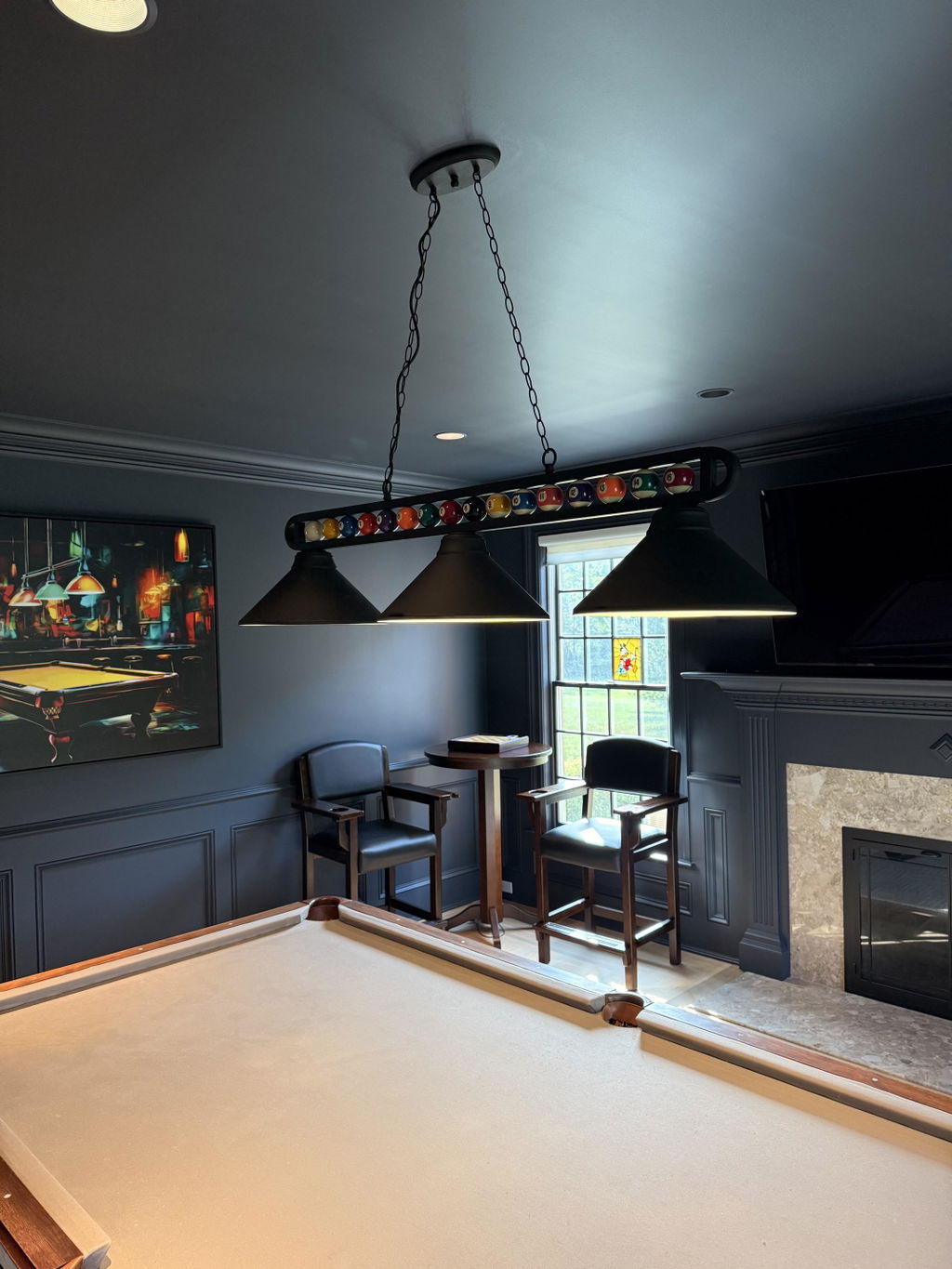
A basement can support a larger cocktail bar, television area, poker table, or pool table. Use warm finishes and layered lighting to prevent the room from feeling dark.
Living Room Bar
Choose furniture that looks like a premium cabinet rather than commercial bar equipment. A refined liquor cabinet can integrate naturally with existing living room furniture.
Game Room Bar
Position the bar near the main seating area but away from active play zones. Coordinate it with the poker table, billiard furniture, and lighting.
Golf Simulator Bar
Combine golf equipment storage, beverage refrigeration, glassware storage, and seating in one organized entertainment area. This creates a complete experience for players and spectators.
Speakeasy Home Bar
Use deep colors, brass accents, mirrors, warm lighting, rich upholstery, and Art Deco-inspired furniture to create an intimate cocktail-lounge atmosphere.
Is a Luxury Home Bar Worth It?
A well-designed home bar changes how an entertainment room is used.
It creates a destination within the home, gives guests a natural place to gather, keeps serving supplies organized, and reduces trips back and forth to the kitchen. More importantly, it turns entertaining into part of the home’s design rather than an occasional activity.
The value of a luxury home bar is not determined only by its size or cost. It comes from thoughtful planning, durable furniture, comfortable seating, practical storage, and a style that feels connected to the rest of the home.
Build a Home Designed for Entertaining
The ultimate luxury home bar should look impressive when it is not in use and function effortlessly when guests arrive.
Begin with the available space and the way you like to entertain. Select a bar or cabinet that fits the room, invest in proper storage, use layered lighting, provide comfortable seating, and coordinate the finishes with the surrounding furniture.
RAM Game Room offers premium cocktail bars, bar cabinets, seating, poker tables, lighting, and game room furniture designed to help homeowners create complete entertainment spaces. Since 2005, the company has specialized in stylish, durable furnishings for home bars, poker rooms, billiard rooms, and multipurpose game rooms.
Whether you are planning a compact cocktail area or a complete luxury game room, the right furniture can transform an ordinary room into the place everyone wants to gather.
For those that host well.
Frequently Asked Questions About Luxury Home Bars
What should every luxury home bar include?
A luxury home bar should include a preparation surface, organized bottle storage, glassware storage, proper lighting, bar tools, and convenient access to mixers and refrigeration. Comfortable seating is also important for a full cocktail bar.
How much space is needed for a home bar?
The required space depends on the type of bar. A compact bar cabinet may require only a small section of wall space, while a full cocktail bar requires additional room for seating, walkways, cabinet access, and service areas.
What is the difference between a bar cabinet and a home bar?
A bar cabinet is primarily designed to store and display bottles, glasses, wine, and accessories. A full home bar generally includes a larger serving counter and may provide seating for guests.
Does a home bar need plumbing?
No. A dry bar provides bottle storage, glassware storage, refrigeration, and a preparation surface without plumbing. A wet bar includes a sink and running water.
Where is the best place to put a home bar?
Popular locations include basements, game rooms, dining rooms, living rooms, home theaters, golf simulator rooms, and other entertainment areas. The best location provides adequate space, convenient access, and a natural connection to guest seating.
What colors work best for a luxury home bar?
Popular choices include matte black, walnut, dark brown, deep green, warm neutrals, and rich wood finishes. Brass, bronze, and black metal accents can add contrast and sophistication.
How do you make a small home bar look luxurious?
Choose one distinctive cabinet, reduce visual clutter, use warm accent lighting, display a curated selection of glassware, add a mirror, and coordinate the finishes with the rest of the room.